
Arts
See photos: Zizzo Group’s 10th annual Donut Smackdown for Boys & Girls Clubs
By Katherine Langford
Advertisement · Why this ad?
Marcus manages the day-to-day editorial workflow across all brands, coordinating coverage assignments and ensuring editorial standards are met. He previously served as city editor at the Pioneer Press and holds a degree in Political Science from Carleton College.
More from Marcus →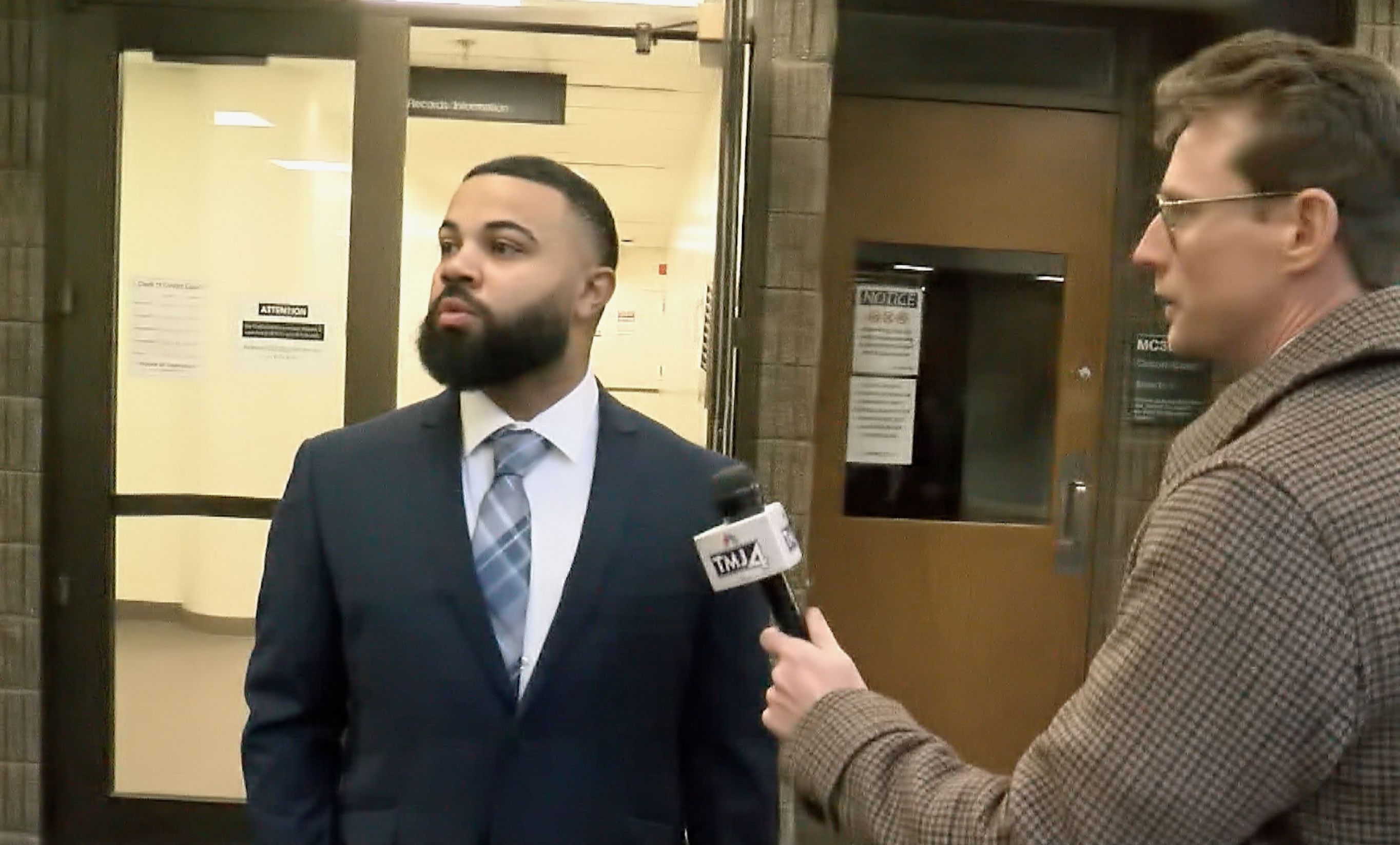
The allegations against a former Racine police officer are deeply troubling, highlighting a pattern of misconduct and raising serious questions about accountability within law enforcement. Caleb McKenzie, 30, has been charged with second-degree sexual assault following an incident at a tattoo parlor in Racine County on August 22. This case, and the broader investigation into Brady-flagged officers it represents, demands careful scrutiny from our community, particularly as it underscores a need for greater transparency and oversight within local institutions.
The news has sent ripples through Racine, a city with a rich industrial history and a strong sense of community. Racine, located on the shores of Lake Michigan, has long been a hub for manufacturing, particularly in the food processing industry. Companies like SC Johnson, a global household products manufacturer founded in Racine in 1886, and Case Farms, a poultry processing company with a significant presence in the area, have shaped the city’s identity for generations. These companies have provided countless jobs and contributed significantly to Racine’s economic prosperity, but also brought challenges related to environmental impact and labor practices. However, recent years have seen economic shifts and challenges, including the closure of major factories and a struggle to attract new businesses. This incident underscores the need for trust and transparency within all local institutions, including law enforcement, especially as Racine works to revitalize its economy and address social inequalities. The tattoo parlor itself, while not publicly identified to protect the victim, is likely a small, locally-owned business contributing to Racine’s growing arts and culture scene. These businesses are vital to the city’s character and provide unique employment opportunities, often serving as a source of pride and connection for residents. The incident’s impact extends beyond the immediate parties involved, impacting the perception of safety and trust in the community, which is crucial for attracting both residents and investment.
McKenzie is accused of forcing a tattoo artist he knew to have sex with him within a closed tattooing room. According to court records, after the appointment ended, McKenzie allegedly said, “I need an extra service.” When the victim reportedly declined, McKenzie allegedly forced her, and she “repeatedly told McKenzie to ‘stop,’” fearing his strength and his status as a former police officer – a fact that, according to her testimony, instilled a deep sense of fear. The Racine County District Attorney’s office is prosecuting the case, and McKenzie’s attorney, Patrick Cafferty, declined to comment after a brief court hearing Tuesday. TMJ4 News first reported on the charges two weeks ago, as part of its ongoing investigation into Brady-flagged officers.
The term “Brady-flagged” refers to officers whose credibility has been questioned due to past instances of dishonesty, bias, or criminal behavior. This designation stems from the landmark U.S. Supreme Court case Brady v. Maryland (1963), which mandates that prosecutors disclose exculpatory evidence, including information about an officer’s potential bias. The ruling arose from a case where a defendant was wrongly convicted because the prosecution failed to disclose evidence that could have exculpated him. This failure violated the defendant’s constitutional right to due process. The Brady rule is crucial for ensuring fair trials and preventing wrongful convictions, and its proper implementation is the responsibility of every prosecutor's office. McKenzie was added to Racine County’s Brady list in January for a separate incident involving alleged dishonesty, a detail the Racine Police Department declined to elaborate on when questioned by reporters. Wisconsin state agencies are responsible for maintaining records related to law enforcement conduct, though access to these records can be limited. The Brady list itself represents a significant challenge for prosecutors, requiring ongoing diligence and a commitment to transparency – a commitment that has not always been consistently upheld in Wisconsin.
The specifics of the incident that led to McKenzie’s Brady designation remain shrouded in secrecy, adding to the frustration and concern within the community. While the Racine Police Department’s silence is understandable to protect the integrity of any ongoing investigation, it also fuels speculation and distrust. Transparency, even when difficult, is essential for rebuilding faith in law enforcement. The Brady list is not a criminal record; it’s an administrative tool meant to alert prosecutors to potential issues with an officer’s trustworthiness. The fact that McKenzie was on this list at the time of the alleged assault raises serious questions about oversight and risk management within the Racine Police Department. The existence of the Brady list itself highlights a systemic problem: law enforcement agencies are often aware of officers with questionable conduct, yet those officers continue to hold positions of power and authority. This situation underscores the need for robust internal review processes and a commitment to accountability at all levels of law enforcement. The ongoing investigation by TMJ4's Lighthouse investigative team, focusing on Brady-flagged officers across southeastern Wisconsin, is a crucial step towards holding these institutions accountable.
The Racine Police Department, like many departments across the country, has faced scrutiny regarding its internal processes and accountability measures. The department serves a diverse population and has historically dealt with issues of racial bias and community relations. In recent years, concerns have been raised about the department's handling of citizen complaints and its responsiveness to community needs. The Brady list, while intended to be a safeguard, can also be seen as a symptom of deeper problems within the department's culture and training. Community members have expressed concerns about the department's responsiveness to complaints and the effectiveness of its internal investigations. Addressing these concerns requires a multifaceted approach, including enhanced training, improved community engagement, and increased transparency. Efforts to reform policing practices in Racine, like those seen in other cities, often face resistance from within the department and require sustained advocacy from community organizations.
Initially released on a $5,000 signature bond, McKenzie’s bail was subsequently increased to $20,000 after the District Attorney’s office requested a reconsideration. This change underscores the seriousness of the allegations and the court's concern for public safety. A signature bond allows a defendant to be released without posting any money, provided they promise to appear in court. The initial low bail suggests a degree of confidence in McKenzie's appearance, but the subsequent increase demonstrates a reassessment of that confidence given the gravity of the charges. The District Attorney’s office likely considered factors such as the severity of the alleged crime, McKenzie’s ties to the community, and any potential risk to the victim when requesting the bail increase. This decision highlights the court's role in balancing the defendant's rights with the need to protect the public. The process of setting bail is complex and often controversial, as it involves weighing competing interests.
McKenzie has not yet entered a plea and faces a potential prison sentence of up to 40 years if convicted. A preliminary hearing is scheduled for January. The preliminary hearing will be a crucial stage in the legal process, where a judge will determine if there is enough evidence to proceed to trial. The victim will likely be asked to testify, and McKenzie will have the opportunity to present his defense. The outcome of the preliminary hearing will significantly impact the trajectory of the case. Racine County residents deserve to know that those entrusted with upholding the law are held to the highest standards. The case is expected to draw significant attention from the community and will likely spark further discussions about police accountability and the Brady rule. TMJ4’s ongoing “Duty to Disclose” investigation, set to reveal the names of Brady-flagged officers across 10 southeastern Wisconsin counties, promises to shed further light on this critical issue and its implications for the region. The release of this database will undoubtedly be a watershed moment, providing unprecedented insight into the extent of potential misconduct within law enforcement agencies across the region.
By Katherine Langford
By Marcus Chen

By Katherine Langford

By Katherine Langford