
Health
PHS Monday Seminar: Francisca Javiera Rudolph
By Marcus Chen
Advertisement · Why this ad?
Katherine oversees editorial operations across all six brands. Before joining The Meridan Group, she spent 14 years at the Minneapolis Star Tribune, where she led the metro desk through its digital transformation. She holds a Master's in Journalism from Northwestern's Medill School.
More from Katherine →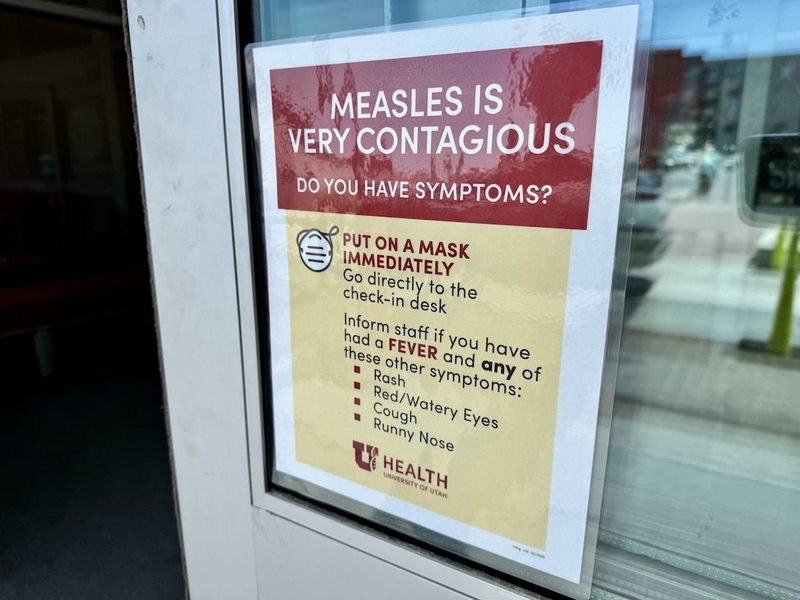
The sudden loss of a Wisconsin infant to measles, the first such death in the state since 1990, serves as a stark reminder of the fragility of public health and the enduring power of preventable diseases. The Wisconsin Department of Health Services reported this tragic event on Thursday, coinciding with the revelation that Wisconsin is experiencing its largest measles outbreak in over three decades, with 431 cases confirmed across 13 counties. This outbreak is not only a public health concern but also a stark reminder of the societal costs of low vaccination rates and the importance of community responsibility.
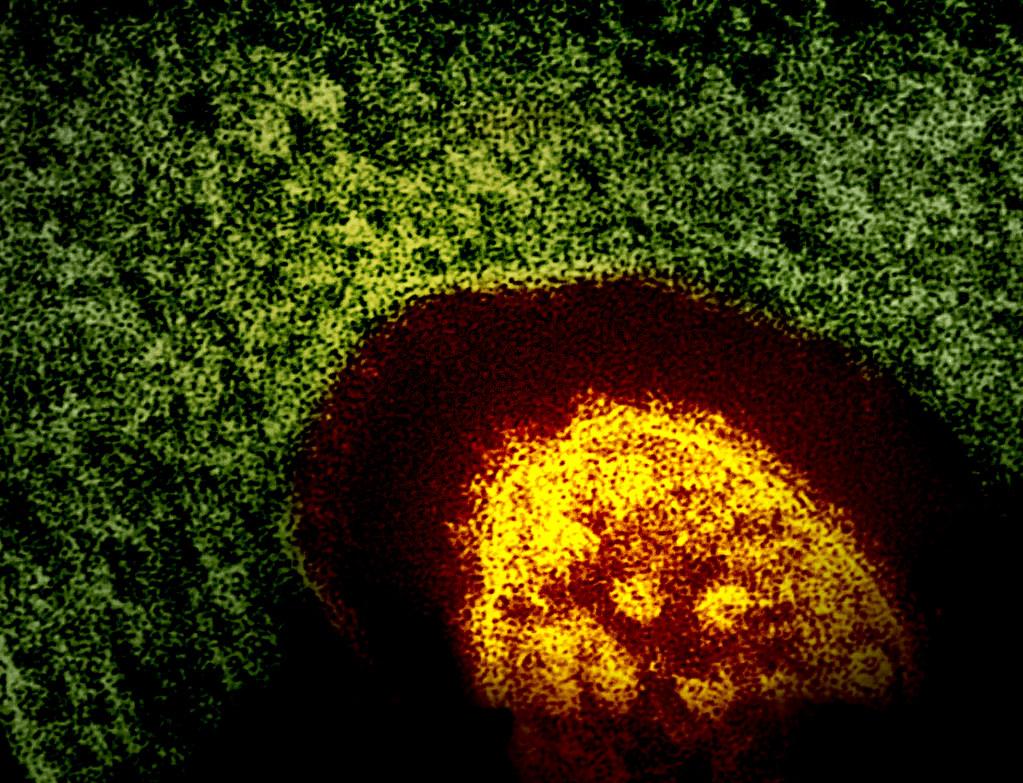
The measles outbreak in Wisconsin has grown significantly, with the number of cases more than ten times higher than the previous year. According to Dr. Ryan Westergaard, chief medical officer for the Wisconsin Department of Health Services (DHS), this represents the largest number of cases in over three and a half decades. The state has recorded nine hospitalizations, and while the exact number of cases may be underestimated, it's clear the virus is spreading. The infant’s death is a somber reminder of the severe consequences of measles, a highly contagious disease that can cause pneumonia, inflammation of the brain, permanent disability and death. The measles virus can remain airborne for up to two hours after an infected person leaves a room, making it exceptionally easy to spread within a community.
The virus, once effectively controlled through widespread vaccination, is now resurging due to declining vaccination rates. In 2025, only 36 cases were reported, and for much of the preceding decade, the state saw either zero or one case annually. This dramatic shift highlights a concerning trend: a resurgence of a disease once considered eradicated. The Wisconsin Policy Forum released a report indicating that 87.4% of students in grades K-12 have met the state’s minimum immunization requirements for schoolchildren, a figure significantly below the 95% needed to prevent outbreaks.
The measles virus typically begins with a fever, cough, runny nose and red eyes, with its telltale symptom, a red rash over the body, showing up several days later. Dr. Westergaard emphasized the importance of vaccination, stating that two doses of the MMR vaccine are about 97% protective against measles. With only 85% of kindergarten-age children vaccinated in Wisconsin, and a national rate of 92%, many in our community remain vulnerable to infection. The MMR vaccine has been in use for decades, and its safety and effectiveness are well-documented.
The news of the infant’s death has caused a ripple effect throughout Wisconsin communities. DHS Secretary Kirsten Johnson expressed her deep sorrow, stating, “My heart is broken for the family.” She urged all Wisconsinites to evaluate their risk and take steps to protect themselves and their families. The outbreak has heightened anxieties among parents, particularly those with young children, and has spurred renewed discussion about the role of vaccination in protecting public health. Local healthcare providers are reporting increased demand for the MMR vaccine, as families seek to ensure their children are protected.
Dr. Stephanie Schauer, the Wisconsin immunization program manager, highlighted the need for better vaccination rates. She stated, “We have many pockets in communities throughout Wisconsin that have these lower levels, that we are concerned if measles is introduced, we could see community spread.” She emphasized the importance of awareness among parents and healthcare providers about the risks of low vaccination rates. Health officials are recommending that people get the MMR vaccine if they haven’t had it. Since August, healthcare providers have given about 42,000 doses of the shot. DHS has also issued new guidance recommending that infants who are 6 to 11 months old and at increased risk of exposure to measles receive an early dose of the vaccine. Between 500 and 600 infants in Wisconsin have received the early shot in the last three months.
The decline in vaccination rates is not solely attributable to one factor. The Wisconsin Policy Forum report identifies a confluence of issues, including an increasing number of required vaccines, the disruption and controversy surrounding COVID-19 vaccines, and a rise in “personal conviction waivers” allowing parents to opt out of school vaccine requirements. These waivers, driven by concerns ranging from religious beliefs to skepticism about vaccine safety, represent a significant challenge to achieving the high vaccination coverage needed for community immunity. Rebuilding public trust in vaccines and addressing the underlying concerns driving these waivers will be crucial in curbing the spread of preventable diseases like measles.
The COVID-19 pandemic significantly disrupted routine childhood vaccinations, leading to delayed or missed doses. The controversy surrounding COVID-19 vaccines also contributed to a broader distrust of vaccines, impacting rates for other preventable diseases like measles. This disruption, coupled with the increased availability of personal conviction waivers, has created a perfect storm for outbreaks like the one currently affecting Wisconsin.
The state is taking proactive steps to address the outbreak, including sending notices to healthcare providers about the early MMR shot. These efforts are coupled with a broader strategy aimed at increasing vaccination rates and rebuilding public trust. The Wisconsin Department of Health Services is working to target students who are behind on their vaccinations, reduce the number of personal conviction waivers, and educate families about the benefits and safety of vaccines. The Vaccines for Children program, which provides free vaccines to families with limited or no insurance, will be further promoted to ensure equitable access.
The death of an infant from measles is a profound loss for our community and a stark illustration of the consequences when public health measures falter. While the statistics surrounding vaccination rates are concerning, they also represent an opportunity. This is not a time for blame or division, but for renewed commitment to the values of community responsibility and protecting the most vulnerable among us. The strength of a community is measured not only by its economic prosperity but also by its ability to care for its children and safeguard their health. It’s imperative that we, as neighbors and as a society, prioritize the well-being of our families. Parents face immense pressures; finding time for preventative care can be difficult. Let us support them with resources and understanding, encouraging open dialogue and addressing concerns with compassion and accurate information.
For more information about measles and vaccination, residents can visit the following resources:
The Wisconsin Department of Health Services also offers a registry where parents can view their children’s immunization records. For families struggling to afford vaccines, the Vaccines for Children program provides assistance. The commitment to safeguarding the health of our children requires a collective effort, and these resources provide a starting point for informed decision-making and proactive protection.
By Marcus Chen

By Marcus Chen
By Marcus Chen

By Marcus Chen